
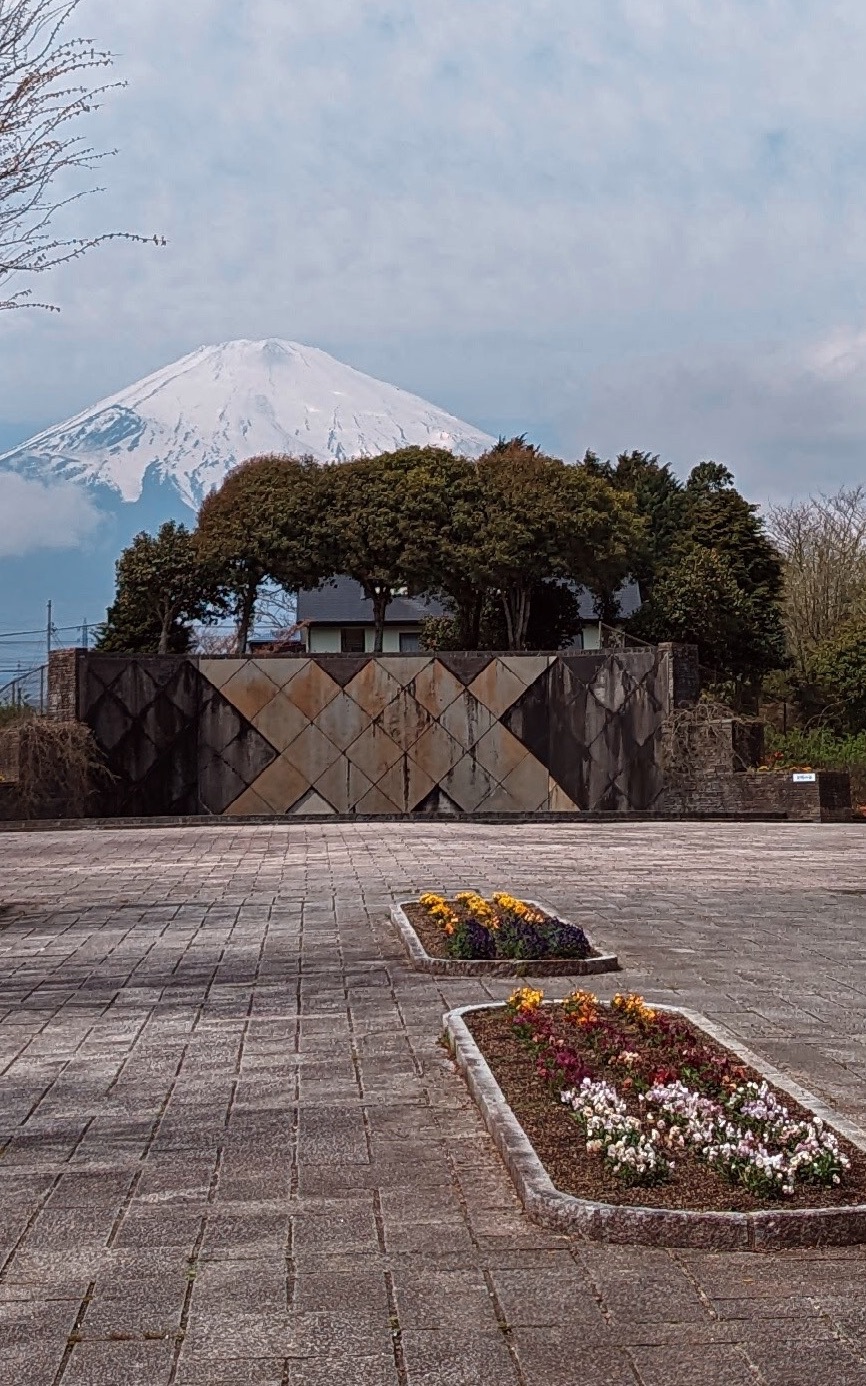
The master, the sensei, the wanderer

Novella of the path of the master, the sensei and the wanderer that followed the teachings
The master saw the towns folk gathered to perform the set.
- The master was on the way to the next town on the peninsula, a landslide had blocked the pass through the mountains, and to continue the journey descended to the coast to find an alternate route. While approaching the shore the master observed the villagers assembling to exercise.
The master approached the sensei. Sensei bowed deeply as did the other members of the group. With a slight bow the master took the place of the sensei in the assembly. The group formed and a hush fell as the towns people noticed the master.
The master led the kata and the sensei and students observed carefully each move of the master so as to better their own movements. The moves were precise and gradual. A pace that all villagers could follow. Each motion a glimpse of the muscle and tendon of the wrist, elbow, shoulder, spine, hips, knee and ankle. Each movement appeared as if a line was drawn from heaven to the top of the head. Strings suspended to manipulate each limb, joint and muscle. Each person followed and performed their exercise as did the master.
- It was while completing the "brush knee, wipe arm.." that a fly alighted on the master. The finger outstretched the slightest motion made to shoo away the insect altered the movement, the sensei saw and followed the motion not seeing why the master had waved his wrist at that point, the students followed, and the motion was repeated by all in the assemble.
After tea and having taken a small meal the master and entourage boarded a fishing boot at the harbour. It was decided that rather than walk the long path around the peninsula, a fisherman would take the group by boat to the next town. The master never returned to the town after this visit, by the time they concluded the visit to the next town the mountain pass was clear.
Several years later the master died. The illness was short, although many claimed it was a childhood ailment that had never left the master. It was the kata set, the diet of figs, dates and nuts and the constant meditation and travel that was the reason for the longevity of the master.
- Few in the dojo understood the extend of the reach of the master. Several of the acolytes managed to continue the teachings, some were successful in expressing the wishes of the master to carry out the training and teaching.
Because of the distance between the towns and the city few had been to visit between them. One would need retainers, transport and food to make such a journey. Only the master or generals or other officials had the means to travel. The significance of the town was minor and did not warrant such a visit.
- Over time, the memory of the visit of the master became a cherished legend in the village. The villagers spoke of the teachings with reverence, passing down the kata and philosophy shared by the master. The dojo flourished, and new generations of students honed their skills in memory of the master. The village itself found unity through the shared experience of witnessing the presence of the master. Though the master never returned, the impact of the visit endured, reminding all who heard the tale of the power of a single moment and the wisdom that transcends time.
Many years pasted before an acolyte of the master came to our town. The sensei welcomed the new comer, There was much discussion about the master and the teachings. The acolyte joined the town folks in performing the kata as it was performed by the master on the original visit. At the point of "brush knee, wipe arm" the villages performed the same movement as the master did when a fly alighted on his person. The entire village knew and performed this in unison, the acolyte was unaware and failed to do the same. The sensei and the acolyte discussed and argued of this seeming insignificant change to the form. And yet the fervour ignited fierce debate
- As tensions escalated between the village dojo and neighboring towns, the divergence in the kata interpretation grew into a profound divide. The neighbouring dojos, steadfast in their adherence to the master and original movements, viewed the village variation as sacrilege, tarnishing the sanctity of the master teachings. Debates turned into disagreements, and disagreements into disputes. What had once been a source of unity and respect now fueled a struggle for the perceived purity of the master and the legacy.
Amidst this growing conflict, emotions ran high, and students from each side were caught in the middle. Whispers of heresy and betrayal echoed throughout the community. The village's dojo, however, held firm to the conviction that their version of the kata encapsulated an essence, an unplanned moment of connection with the master that transcended mere technique.
- As the years went by, the dispute cast a shadow over the legacy of the master. The rift stood as a testament to the complexities of interpretation and tradition. Even in the midst of this turmoil, the story of the visit remained a beacon of inspiration for those who sought wisdom and harmony. The struggle for purity eventually faded, giving way to a more nuanced understanding: that the true teachings lay not solely in the movements of the kata, but in the spirit of connection, growth, and the pursuit of self-discovery.
The sensei
The village dojo remained steadfast, their kata forever intertwined with the memory of the master. The rift with neighboring dojos, once a tempest of passionate conviction, gradually mellowed into a war of glances across worn tatami mats.
The sensei, a weathered stone of a person with eyes that had seen battles both physical and emotional, stood at the helm of the village dojo. The sensei bore the weight of tradition and rebellion, a balancing act that had etched lines deep into a dominant forehead. The whispered criticisms and sly smirks from rival dojos never quite left the ears of the sensei, the dojo clung to the belief that the visit from the master had unlocked a hidden truth—an understanding that mere replication could not capture.
The village dojo remained secluded, guarding its interpretation like a sacred relic. Sensei and students—determined souls molded by hardship—trained relentlessly, bodies honed and spirits forged in the crucible of defiance. Each movement held a whisper of the master a secret bond shared between those who dared embrace it.
The once vibrant village square, where the once in time the presence of the master had cast a spell of unity, now bore the weight of division. Rumors of an impending showdown buzzed through the air, a persistent drone of cicadas in summer. The tension was palpable as villagers gazed upon one another with wary curiosity, wondering if the conflict would be resolved through a clash of bodies or of ideals.
Sensei, however, stood as a solitary island in this sea of contention. The weariness etched into the students' eyes, the gnawing doubt that accompanied their pursuit of an unorthodox path. And so, one evening, as the sun cast a warm glow over the dojo wooden beams, the sensei gathered them all beneath the shoji screens.
"In the shadow of controversy, we find our truth," murmured he sensei a voice low and rumbled like distant thunder. "The master and the movements taught to us was a lesson not in technique, but in adaptation. Life is never unchanging. The kata, like us, must evolve and embrace the unexpected."
And so, beneath the flickering lanterns, the students embarked on a new journey—a journey of reconciliation and rediscovery. The village dojo did not seek validation nor vindication. Instead, they sought to embody the spirit of the teaching a testament that even in chaos, growth and beauty can arise, just as it had in the serendipitous flutter of wings on a the fingers of the master. And the sensei and the students had never felt the touch of the wings on there fingers they continued the movements as they had been taught
Growth and understanding
The village dojo remained steadfast, their kata forever intertwined with the memory of the visit. The rift with neighbouring dojos, once a tempest of passionate conviction, gradually dissipated over worn and tattered tatami mats.
The isolation and war
The town is now a city with ports opened to foreign lands. The wisdom and teaching of the master spreads out beyond the peninsula and the native village were once the master stopped.
Amidst the evolution of the village into a bustling city, the once formidable dojo seemed an island of recollection and isolation. The path taken, veiled by the conflict surrounding the legacy of a fly that once danced on the finger of the master and the sensei that followed the movement and taught the students, led to a splintering of bonds that had once united the villagers.
The bustling cityscape was a stark contrast to the village and the former tranquility, the streets now filled with foreign tongues and unfamiliar customs. Ports that had once been closed now opened to the distant lands that lay beyond the horizon. Ships brought not only goods, but ideas that whispered of broader horizons and unexplored potential.
Sensei, a figure almost mythical in wisdom and steadfastness, found themselves at a crossroads. The legacy of the masters movements, a heritage both profound and enigmatic, seemed now an anchor holding back the village dojo from the torrents of progress and internationalization.
With a heart heavy like the anchor chain of a departing ship, the sensei gazed upon the city he had watched grow from the seed of a village. The whisper of rival dojos were now replaced by the calls of globalization. The foreign influences, once foreign to even the imagination, now coloured the streets and minds of the very village that had sheltered the kata once performed by the master in this once isolated village now reaching out to a world that the master himself knew nothing about.
Sensei, now aged like a tree whose rings held the echoes of decades, found themselves the guardian of tradition in a world that yearned for transformation. And as the city thrived on change and open ports, the teachings of the master began to echo through lands distant and alien. The wisdom that had been cultivated within the village dojo was now a beacon of insight that resonated far beyond the peninsula.
Like tendrils reaching across waters, pupils that had never seen the master themselves —now dispersed like seeds in the wind—spread the teachings of the master and sensei. The city streets bore witness to the fusion of cultures, as the whispers of the master danced on the lips of traders and travelers. In the wake of isolation and war, the movements of the master on that faithful visit once a source of division, became a bridge of understanding that spanned borders and transcended differences.
In the heart of the evolving city, the village dojo persisted—a relic of the past that had learned to adapt and incorporate the essence of change. The legacy of the master, once ensnared in conflicts of tradition, now harmonized with the rhythms of progress. As the city ports remained open, so too did the gateway to wisdom—echo of which would continue to shape generations long after the winds of time had carried the tale of the village, the master, the sensei and a fly the alighted on a finger now a touch to new shores.
The wanderer
Passages of time, years to centuries unfurled like an ancient scroll, the memory of the visit from the master and teachings of sensei had merged with the stories of old, woven into the fabric of a world reshaped by chaos. In folds of time a reawakening. The city that once sprouted from the village had withered into fragments of rusted steel and broken glass. Skyscrapers stood as hollow monuments to a time when aspirations reached for the heavens, now bowing to the weight of desolation.
In this muted landscape, the teachings of sensei long gone lingered like whispers caught in a windless night. The dojo, once a haven for discipline and growth, now stood as a place of quiet contemplation amidst the ruins. The very air seemed imbued with a sense of longing, a yearning for the vibrancy that once was.
In the heart of this transformed world, a figure, a lone wanderer among the shattered pieces of the past. They step, marked with a quiet rhythm, echoes of a melody lost. The wanderer carries the echoes of generations long gone, descendant of those who had upheld the legacy of the master, of the sensei and of the fly alighting on a finger on that long remember journey.
The wanderer eyes like reflective pools, contain memory that they had never lived, tales that they had never heard firsthand. In their possession the weathered journal, passed through generations, an heirloom. Pages told of a the visit of the master, the teaching of the sensei and the fly alighting on a finger a pivotal of the wrist that moment birthed a unique interpretation of the kata.
The wanderer entered the remnants of the village, now a cluster of makeshift dwellings, the wanderer greeted with knowing glances, whispered conversations. The kata, a thread of continuity woven through the passage of time, had survived the cataclysm, transforming into a ritual of both physical discipline and spiritual connection.
In the gathering dusk, the villagers came together in a slow, deliberate dance—a fusion of movements that bore the mark of both the original kata the teaching and the touch of the fly. The breeze, carrying with it the scent of decay and renewal, mingled with the soft rustling of clothes and the hushed footsteps of the participants.
As the wanderer watched, they felt the weight of centuries pressing upon them a bittersweet blend of history and uncertainty. In that moment, the past present and future seemed to fold together, creating a rift in time's fabric. The movement of the kata became a bridge between eras, a ripple that stretched across the expanse of years.
Among the villagers, the the master the sensei and the wanderer spirit lingered, a phantom presence guiding each motion. The wanderer closed there eyes, allowing the rhythm to seep into their being, as if the very air held the energy of generations long gone. The fly, once a catalyst for divergence, now symbolized a connection that transcended epochs—a reminder that even in the aftermath of devastation, there existed threads of continuity that could not be severed.
As the kata reached its conclusion, a sense of serenity settled over the gathering, mist settling upon a field. The wanderer knew that they carried a torch—a torch passed down by ancestors, who clung to the teachings of the master the training of the sensei amidst the turbulence of time. With each step taken added their own chapter to a tale that spanned centuries, a tale of survival, adaptation, and the enduring power of wisdom.
And so, in the shadow of a world reborn, the wanderer walked on, the journal clutched in his hand, the echoes of the kata resonating like a heartbeat in their soul.
That is the end of The master, the sensei, the wanderer . Thanks for reading.
Get the app for the rest of Saverio Rinaldi's writing, and everything else on Novellea.
Open in Novellea