
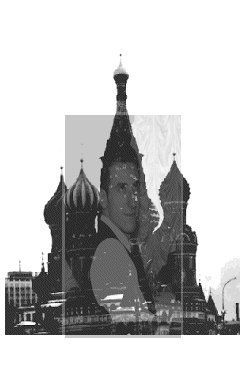
Frankie goes to Leningrad
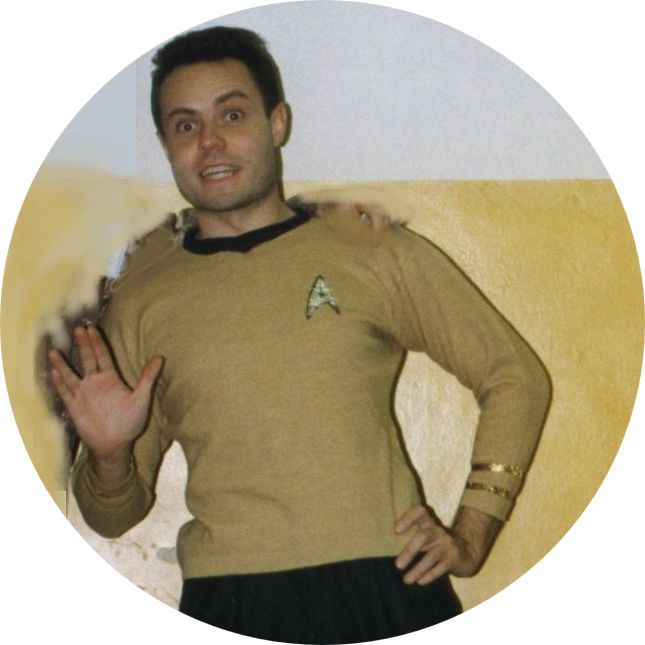
Se una persona acquista dei biglietti per il teatro per due suoi amici e poi va a Parigi per una settimana credendo di averli già consegnati ai rispettivi proprietari...
Chapter 1
Ritrovatisi puntuali in stazione all'ora fissata per la partenza, non si sarebbe potuto prevedere l'evolversi dei fatti: Frankie ed i suoi amici salgono sul treno per Milano alle 4:45 e per diverse ore il viaggio prosegue tranquillo, eccezion fatta per qualche passaporto rimasto indietro... Ma giunti all'aeroporto di Mosca Seremetevo (a cui, più propriamente, si farà riferimento nel seguito come Mosca Telomettevo) si fa strada l'idea che il viaggio non durerà meno di 24 ore e il calvario pro-Frankie anche (molto) di più.
Fortunatamente, non essendo egli dotato di molta memoria ma bensì di parecchia sbadataggine la pesantezza del viaggio non gli dà troppo fastidio: accade soltanto che durante le numerose attese in coda ogni tanto lui scompare per ricomparire poi altrove, usualmente in una coda più lunga. Al teatro di Leningrado, in particolare, dopo aver completato (complimenti, a proposito) la coda per i biglietti, lascia il suo biglietto dentro il cappotto che gli amici hanno premurosamente già messo nel guardaroba: chiaramente, tornati indietro per recuperare detto biglietto, scoprono che è già andato perduto. Stessa fine fa il pass dell'albergo, senza il quale non gli sarebbe consentito entrare e anzi potrebbe cominciare a farsi strada l'idea di una vacanza nella Russia del nord (in parole povere, Siberia): a causa di questo i suoi amici presto (molto presto) non ne possono più.
Non è che in effetti non ne possano più, ma ci sono dei problemi di incomunicabilità: gli chiedono se ha due dollari (due, ossia 2, two, dos, deux, zwei ecc.) per pagare il taxi, e lui risponde di sì, poi con aria innocente comunica, appena partito il taxi, che lui li ha di sicuro i due dollari, e che anzi ha dei bei biglietti da 20 dollari... Analogamente, fiero del colore verde del suo portafoglio va in giro tra i venditori di orologi di Leningrado dicendo (e mostrando) a tutti che ha solo tagli da 100 dollari. Diventa poi difficile tenere i conti del gruppetto, perché Frankie usualmente paga per gli altri e poi tutti, lui compreso, se ne dimenticano: così spesso Frankie si sente perseguitato, fa delle scene non indifferenti e afferma che tutti lo fregano, mentre dal suo cappotto militare appena acquistato si sprigiona un non comune fetore di vecchia capra del Caucaso.
Nei momenti più tragici della vacanza a Leningrado, dobbiamo purtroppo assistere a scene poco edificanti, come quella della forchetta di Frankie che cade dal tavolo: sulle prime egli, impassibile, afferma che mangerà con le mani; successivamente, convinto della non-fattibilità di detta porc... ehm, di detto esperimento, si fa portare una forchetta nuova (in realtà ne arrivano due, perché dopo averla chiesta a tutte le cameriere del locale, grazie alla notoria efficienza del popolo sovietico alla fine si viene anche accontentati) ma a quel punto non si ricorda più quale sia la vecchia e quale la nuova e continua a mangiare con la forchetta vecchia. Altro momento tragicomico è quello che vede Frankie improvvisarsi mago del mercato nero, titolo questo che gli consente di cambiare soldi europei in soldi dell'est all'eccezionale rapporto di uno a venti, contro un cambio medio di uno a dieci: è importante sottolineare la parola "soldi" in quanto ciò che lui realmente ottiene in cambio dei dollari sono Dinari iugoslavi e non Rubli (valgono solo cento volte meno).
Per evitare di avere ancora a che fare con monete dell'est, Frankie decide comunque di pagare gli extra dell'albergo in dollari, il che lo porta a spendere cifre mediamente 10 volte superiori a quelle spese dagli altri che hanno pagato in rubli. E' in questi momenti che il gruppo dei vacanzieri si rende conto di avere con sè un personaggio senza precedenti.
DA SVENIRE
A chi sperava che il viaggio notturno in treno e l'allontanamento dalla costosissima città di Leningrado avrebbero portato dei miglioramenti nella vita di Frankie, occorre purtroppo dare una delusione. A parte la borsa rossa che Frankie scopre di aver dimenticato nel bagagliaio solo quando vede una sua amica e candidamente le chiede "ma cosa ci fai con la valigia in mano ?", anche la doccia artificiale generata con una bottiglia di acqua minerale sotto pressione non serve a rischiarare le idee del nostro protagonista.
A Mosca ci si rende finalmente conto che non sono le circostanze a causare le disavventure in cui si imbatte, ma che si tratta proprio della sua indole. Infatti nell'unica mattinata in cui rimane da solo in giro per la città riesce a farsi diversi numeri, tra un "da svenire" e un altro: questa espressione, "da svenire", è quella che Frankie usa per descrivere una situazione molto piacevole o positiva, ed è un'espressione che presto si diffonde tra i suoi compagni di viaggio i quali svengono in continuazione dalle risate non appena lui compare. Per esempio sale sulla giostra di Gorki Park e dopo aver fatto un giro resta sopra, diciamo così, ancora un po' perché non riesce ad aprire lo sportello della sua cabina e non ha il coraggio di chiamare il "tecnico" della giostra. E intanto paga.
Accade anche che Frankie ordini dei bicchieri di una sostanza non ben identificata (acqua minerale al cacao o giù di lì) in uno pseudo-bar e che per trasportarli egli afferri i bicchieri di plastica troppo in cima provocando così la strozzatura del bicchiere e il rovesciamento del liquido.
In compenso le spese telefoniche a Mosca sono in netto calo, non tanto perché lui abbia acquisito una certa astuzia nel pagare, ma perché non riesce mai a telefonare né all'esterno né nelle camere dei suoi amici. I quali, d'altro canto, gli rispondono (nei rari casi in cui capita) sempre in lingue diverse dall'italiano o addirittura collegando la radio al telefono e ciò porta Frankie a pensare di aver sbagliato numero.
Poi, per far ridere un po' anche i moscoviti (che più che altro sembrano moscomorti) Frankie si fa chiudere il cappuccio del cappotto fuori dalle porte del metrò, ma sfortunatamente prima che possa esserci un principio di soffocamento giunge la fermata successiva. Invece in aeroporto le sue scarpe tengono tutti con il fiato sospeso (non per la puzza, cosa credete) in quanto la punta d'acciaio scatena gli allarmi di tutti i rivelatori da Mosca a Milano.
Comunque ci sarebbero state buone speranze di perdere Frankie in qualche punto dell'est europeo, visto che per tutto il viaggio di ritorno lui continua a lamentarsi di cose che crede di aver smarrito come il portafoglio, il portafoglio, ancora il portafoglio, la dichiarazione doganale, il passaporto, la valigia, lo scatolotto fatto di ossa dentro il quale di solito si conserva la materia grigia e così via. Invece ce lo siamo riportato a Torino e di questo non possiamo fare altro che chiedere pubblicamente perdono.
G.DAR 16/3/1990
Chapter 2
Arriving at the station on time at the scheduled departure time, no one could have predicted the outcome: Frankie and his friends boarded the train to Milan at 4:45 a.m., and for several hours the journey continued uneventfully, except for a few passports left behind... But upon arriving at Moscow Seremetyevo Airport (which, more properly, will be referred to hereafter as Moscow Telomettevo [I'll f*** you, ndr]), the idea dawned on them that the journey would last at least 24 hours, and the pro-Frankie ordeal even (much) longer.
Fortunately, since he doesn't have a great memory but rather a certain amount of absent-mindedness, the burden of the journey didn't bother him too much: it just so happened that during the long waits in line he occasionally disappeared, only to reappear elsewhere, usually in a longer queue. At the Leningrad Theater, in particular, after completing (congratulations, by the way) the ticket line, he leaves his ticket inside the coat his friends have thoughtfully put in the cloakroom. Of course, when they go back to retrieve the ticket, they discover it's already lost. The same fate befalls his hotel pass, without which he wouldn't be allowed in. Indeed, the idea of a vacation in Northern Russia (in other words, Siberia) might begin to surface. Because of this, his friends soon (very soon) can't stand it anymore.
It's not that they're completely exhausted, but there are some communication issues: they ask him if he has two dollars (two, i.e., 2, two, dos, deux, zwei, etc.) to pay for the taxi, and he says yes, then with an innocent air, as soon as the taxi leaves, he announces that he definitely has the two dollars, and that he actually has some nice twenty-dollar bills... Similarly, proud of the green color of his wallet, he goes around the watch sellers of Leningrad, telling (and showing) everyone that he only has $100 bills. It then becomes difficult to keep track of the group's accounts, because Frankie usually pays for the others and then everyone, including himself, forgets about it: so Frankie often feels persecuted, makes a scene, and claims that everyone is ripping him off, while his newly purchased military overcoat gives off an uncommon stench of old Caucasian goat.
During the most tragic moments of the Leningrad vacation, we unfortunately witness less than edifying scenes, such as Frankie's fork falling from the table. At first, he impassively declares he'll eat with his hands. Later, convinced that the said pig... er, experiment is unfeasible, he orders a new fork (actually, two arrive, because after asking all the waitresses in the restaurant, thanks to the notorious efficiency of the Soviet people, they finally get one). But at that point, he can't remember which is the old one and which is the new one, and continues eating with the old one. Another tragicomic moment sees Frankie improvise as a black market magician, a title that allows him to exchange European money for Eastern European money at the exceptional rate of one to twenty, compared to the average rate of one to ten. It's important to emphasize the word "money" because what he actually gets in exchange for dollars are Yugoslavian dinars, not rubles (which are only worth a hundred times less).
To avoid having to deal with Eastern European currencies again, Frankie decides to pay for hotel extras in dollars, which leads him to spend an average of 10 times more than those who paid in rubles. It's at this point that the group of vacationers realizes they have an unprecedented figure with them.
SWALLOWING
Those who hoped that the overnight train ride and the escape from the overpriced city of Leningrad would bring improvements to Frankie's life are in for a disappointment. Aside from the red bag that Frankie only discovers he's forgotten in the trunk when he sees a friend and candidly asks, "What are you doing with that suitcase?", even the artificial shower created with a pressurized bottle of mineral water doesn't help clear our protagonist's mind.
In Moscow, we finally realize that it's not circumstances that cause the misadventures he encounters, but rather his very nature. In fact, on the one morning he's alone around the city, he manages to perform several tricks, from one "faint-worthy" to another: this expression, "faint-worthy," is the one Frankie uses to describe a very pleasant or positive situation, and it's an expression that quickly spreads among his fellow travelers, who continually faint with laughter as soon as he appears. For example, he gets on the carousel in Gorky Park and, after a spin, stays on it, so to speak, for a while longer because he can't open the door to his cabin and no he doesn't have the courage to call the carousel's "technician." And in the meantime, he pays.
It also happens that Frankie orders glasses of an unidentified substance (cocoa-flavored mineral water or something similar) from a pseudo-bar, and while carrying them, he grabs the plastic cups too high, causing them to kink and spill.
On the other hand, his phone bills in Moscow are significantly down, not so much because he's become more astute at paying, but because he can never get through, either outside or to his friends' rooms. They, on the other hand, always answer (on the rare occasions when it happens) in languages other than Italian, or even by connecting the radio to the phone, which leads Frankie to think he's dialed the wrong number.
Then, to make even the Muscovites (moscow-live in italian, ndr) laugh a little (who mostly seem like Moscow-dead), Frankie has his coat hood closed outside the subway doors, but unfortunately, before he can even begin to suffocate, the next stop arrives. Meanwhile, at the airport, his shoes have everyone on tenterhooks (not because of the smell, mind you), as the steel toecaps set off alarms on every detector from Moscow to Milan.
Anyway, there would have been good hopes of losing Frankie somewhere in Eastern Europe, given that throughout the entire trip home he keeps complaining about things he thinks he's lost, like his wallet, wallet, wallet again, the customs declaration, his passport, his suitcase, the little box made of bones in which his gray matter is usually stored, and so on. Instead, we brought him back to Turin, and for this, we can only publicly apologize.
G.DAR 16/3/1990
That is the end of Frankie goes to Leningrad. Thanks for reading.
Get the app for the rest of Dario Greggio's writing, and everything else on Novellea.
Open in Novellea